AI-powered tools are now part of classrooms, helping personalize learning, automate tasks, and analyze student data. But for these technologies to be used meaningfully and ethically, teachers need to develop new skills that go beyond traditional pedagogical practices.
- Digital Literacy and AI Awareness
At the foundation is digital literacy, which now includes understanding how AI systems work, what they can do, and what their limitations are. Teachers should have a basic grasp of terms like machine learning, natural language processing, and algorithmic bias. This doesn’t require advanced technical expertise, but enough fluency to use AI tools thoughtfully and explain their impact to students.
- Ethical and Critical Thinking
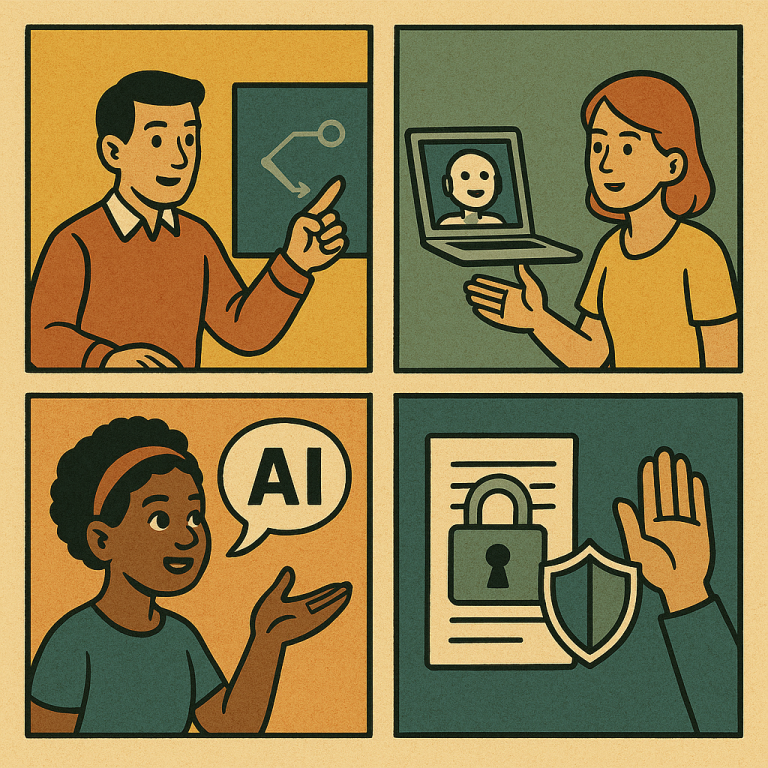
Teachers must be equipped to guide discussions about privacy, surveillance, data use, and bias and help students develop a critical mindset. For example, when using AI tools like ChatGPT in the classroom, educators should raise questions about authorship, accuracy, and the responsible use of generative content.
- Adaptability and Lifelong Learning
Technology evolves quickly, and teachers must be willing to continuously learn. Whether it’s trying out new AI-powered platforms, participating in online training, or adapting lesson plans to integrate digital tools, flexibility is crucial. Schools and policymakers must also support this by offering professional development tailored to AI education.
- Data Literacy
AI tools often provide rich data about student performance, engagement, and progress. Teachers need to be able to interpret and act on that data, identifying patterns and adjusting instruction accordingly. This also includes understanding how data is collected and ensuring it is used ethically.
- Creativity and Human-Centered Teaching
While AI can automate routine tasks, the human element of teaching remains irreplaceable. Skills like empathy, communication, creativity, and classroom presence are more important than ever. Teachers must focus on what AI cannot do—creating emotional connections, fostering collaboration, and inspiring students.
- Curriculum Innovation and Integration
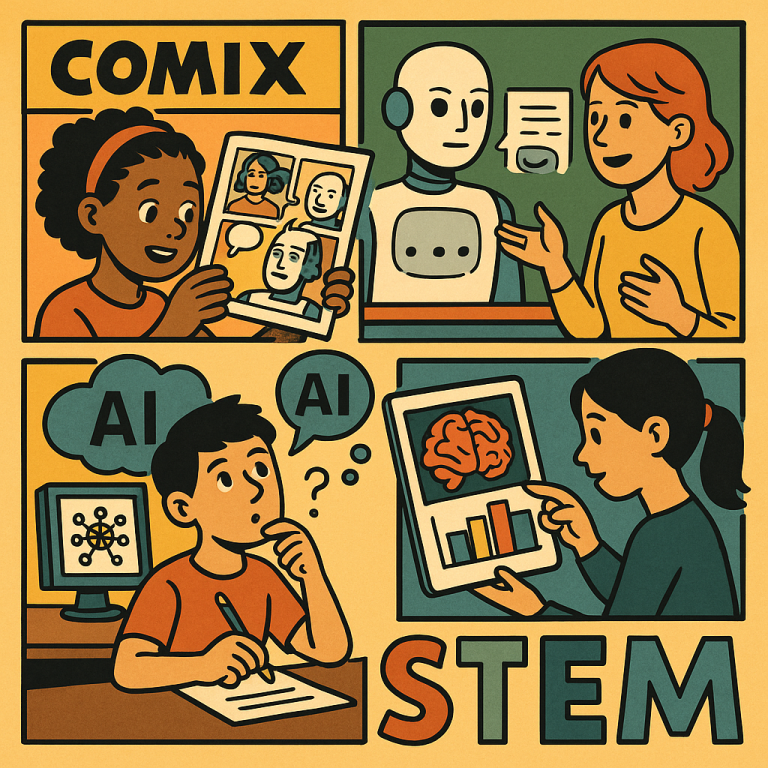
Teachers should be comfortable integrating AI topics into the curriculum, especially in STEM and digital citizenship subjects. This includes designing lessons that explore how AI works, its real-world applications, and its societal impact. Even humanities teachers can introduce AI through ethics debates, creative writing prompts, or analyzing media.
Conclusions
The AI era doesn’t replace teachers. It redefines their role. Educators must become thoughtful adopters, ethical stewards, and lifelong learners. By developing these essential skills, teachers can empower students to not only use AI but to question it, shape it, and build a future where technology serves humanity.